H

e

l

l

o

(

)

;


I

'

m

E

l

l

i

o

t


B

o

u

c

h

y

.

I

b

u

i

l

d

A

I

t

h

a

t

s

h

i

p

s

.

AI Engineer based in Nice, engineering degree in Data Science. I build AI features that run in production: LLM & AI agents (LangChain, LangGraph, local models), computer vision (detection, segmentation, OCR) and the full-stack integration around them (Python, TypeScript, React, NestJS, AWS).

Available for freelance missions on Malt.

</AboutMe>

Hi! My name is Elliot Bouchy, and I’m a Data Scientist with a passion for solving complex problems using machine learning, computer vision, and data-driven solutions.


I enjoy transforming raw data into actionable insights, leveraging tools like SQL, Microsoft Azure, and Python. My approach emphasizes curiosity, critical thinking, and collaboration to deliver high-quality results. Outside of work, I’m passionate about sports, reading, and exploring new technologies.


Whether it’s building predictive models or optimizing systems, I’m always eager to contribute to ambitious projects that push technological boundaries.

Elliot Bouchy

</Skills>

Tech Stack

  • python
  • SQL
  • spark
  • docker
  • tensorflow
  • aws
  • sckitlearn
  • numpy
  • GITHUB
  • GIT

</Projects>

Facial Expressions with a Spiking Neural Network

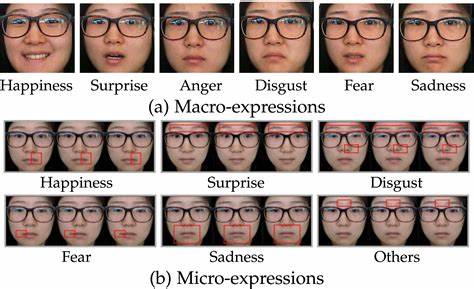
Your webcam becomes a simulated event camera, and a spiking neural network (SEW-ResNet-18, distilled from a facial-expression teacher model) recognises neutral, happy, surprised or angry faces: 70.5% accuracy on actors never seen in training (chance: 25%), and it abstains when unsure. Runs entirely in the browser with ONNX Runtime Web. Started in 2024 with 233 real event-camera recordings.

micro-expressions
Chess Game Tracking

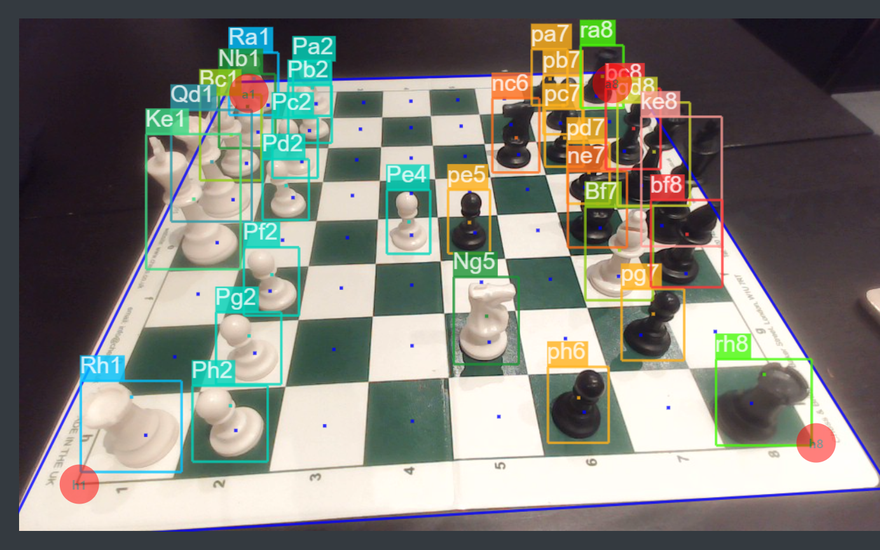
Computer vision course project (ULiège, 2024, team of three): reconstructs the state of a chess game from video with classic OpenCV techniques: board calibration and homography, occupancy detection per square, and move logic that infers each piece from its moves.

chess_computer_vision
Hold the Line

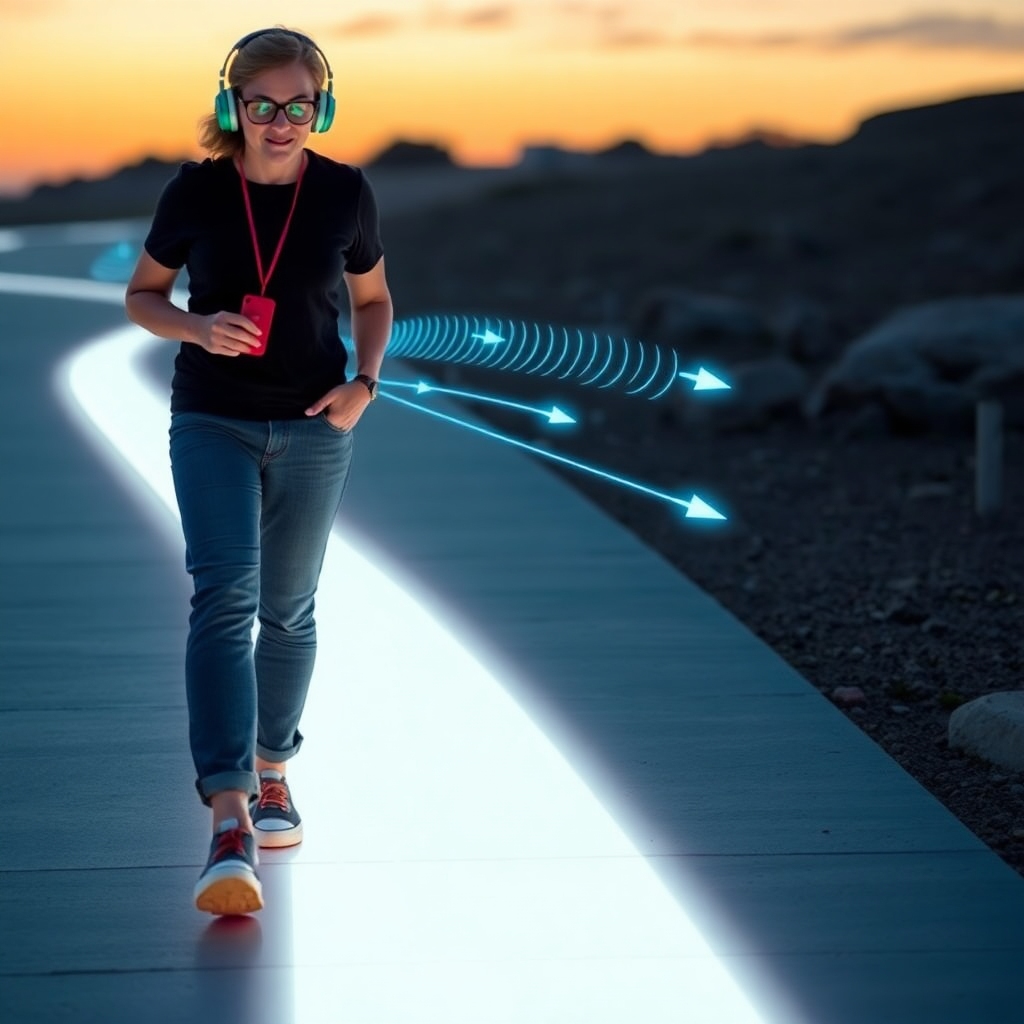
Semester project (team of five): a Raspberry Pi 4 films a line on the ground, estimates its angle with the walking direction and turns it into stereo audio guidance for visually impaired users. Four detection methods compared; 20 out of 20 successful trials reported.

hold_the_line
Tweet Sentiment with BERT

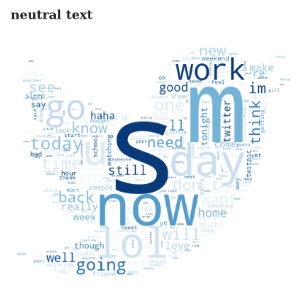
Algorithmic Machine Learning challenge (2024, team of four): fine-tuned BERT on 24,732 labelled tweets (negative, neutral, positive). Macro F1 0.78 and accuracy 77.4% on a held-out set, against 0.64 macro F1 for the best lexical baseline (VADER).

Tweet sentiment analysis
Machine Sound Anomalies

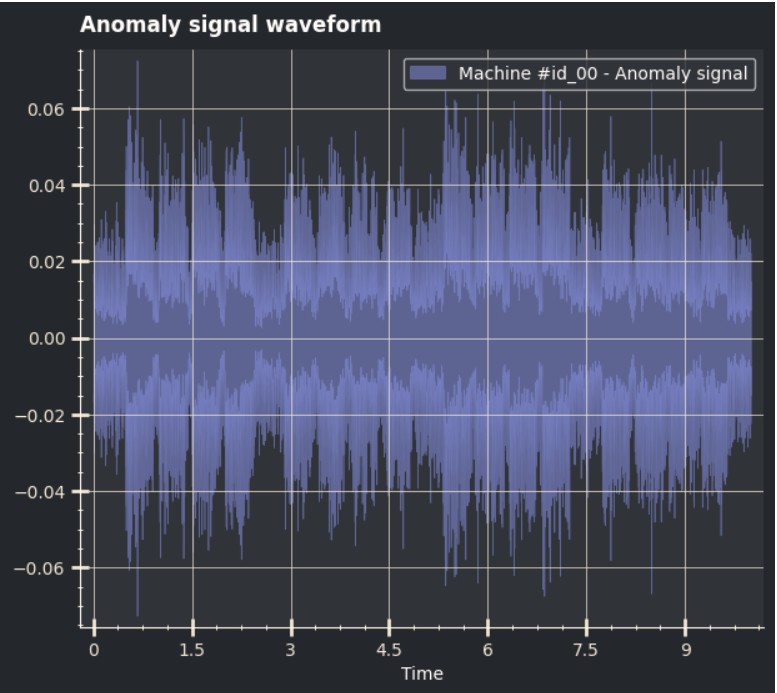
Algorithmic Machine Learning challenge (2024, team of four): unsupervised detection of abnormal machine sounds (MIMII / DCASE 2020, slide rails) from mel-spectrograms. A variational autoencoder reaches a mean AUC of 0.89, against 0.77 for a classic autoencoder.

Machine sound anomaly detection
Aerial Cactus Detection

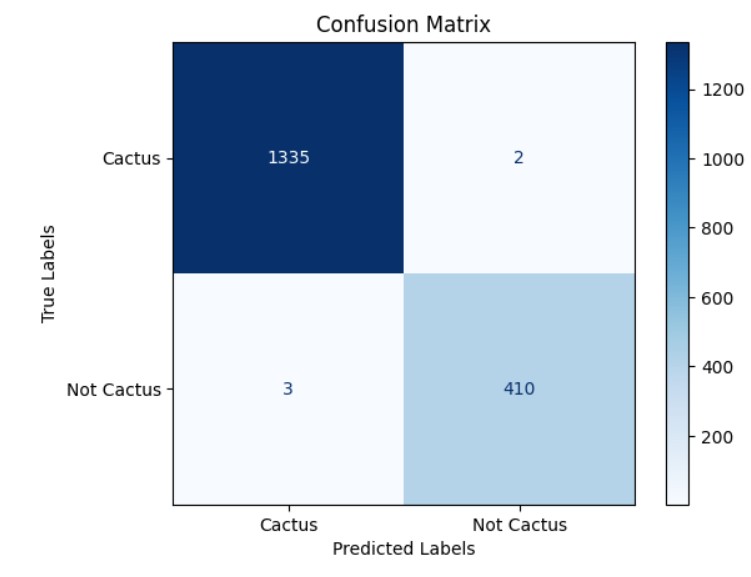
Algorithmic Machine Learning challenge (2024, team of four): a custom 5-block CNN classifies 32x32 aerial images (Kaggle Aerial Cactus). 99.7% accuracy on a 1,750-image validation set (5 errors).

Aerial cactus detection